Is a Standing Seam Metal Roof Suitable for Modern Architecture?

Modern architecture is defined by clean lines, minimalist forms, long spans, and durable materials that complement both function and aesthetics. As architectural trends move toward sustainable, low-maintenance, and visually refined solutions, one roofing system continues to gain popularity: the standing seam metal roof.
But is a standing seam metal roof truly suitable for modern architecture? The short answer is yes and for several strong reasons.
What Is a Standing Seam Metal Roof?
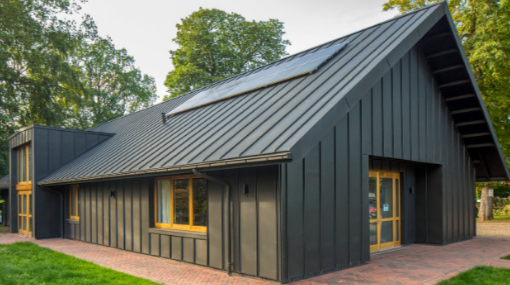
A standing seam metal roof is a roofing system made of continuous metal panels that run vertically from ridge to eave. The defining feature is the raised seam where panels interlock above the surface level of the roof. This elevated seam protects fasteners and joints from exposure to weather.
Unlike traditional corrugated or exposed-fastener metal roofs, standing seam systems conceal attachment points, improving waterproofing and giving the roof a sleek, uninterrupted appearance a quality highly valued in contemporary design.
Architectural zinc systems, such as those developed by VMZINC, are frequently specified in standing seam applications due to their durability, refined finishes, and compatibility with modern façade design.
1. Clean Aesthetic for Contemporary Design
Modern architecture emphasizes simplicity, sharp geometry, and material honesty. A standing seam metal roof aligns perfectly with these principles.
Its long vertical lines create a streamlined visual rhythm that enhances minimalist structures. Whether used on flat-sloped contemporary homes, commercial buildings, or institutional projects, the system delivers a refined and premium finish.
Zinc standing seam solutions from VMZINC are particularly valued for their natural surface evolution. Over time, zinc develops a protective patina that enhances architectural character while maintaining structural integrity. This evolving finish complements modern materials like glass, concrete, and timber.
2. Durability That Matches Long-Term Design Goals
Modern buildings are increasingly designed for longevity. A standing seam metal roof supports this goal through exceptional durability.
Because the seams are raised and fasteners are concealed, the roof system offers superior resistance to water penetration. The interlocking panel design allows for thermal movement, reducing stress on the material during temperature fluctuations.
When using architectural zinc, such as VMZINC systems, the natural patina layer provides corrosion resistance and self-healing properties. This contributes to a lifespan that can extend several decades with minimal maintenance.
For architects and developers, this durability translates into lower lifecycle costs and long-term performance reliability.
3. Superior Weather Performance
A standing seam metal roof performs exceptionally well in challenging climates.
- Raised seams prevent water infiltration.
- Panels shed rain and snow efficiently.
- The system handles thermal expansion without compromising structural stability.
- Wind uplift resistance is strong when properly installed.
This makes it suitable for coastal areas, high rainfall regions, and urban environments exposed to pollution.
Modern architecture often incorporates low-slope roofs and dramatic overhangs. Standing seam systems are compatible with these designs when specified correctly, making them both visually and functionally adaptable.
4. Energy Efficiency and Sustainability
Sustainability is a central pillar of modern architecture. A standing seam metal roof contributes positively in several ways.
Metal surfaces reflect solar radiation, reducing heat absorption and supporting improved indoor thermal comfort. When integrated with proper insulation and ventilation strategies, these systems enhance overall building envelope performance.
Zinc, in particular, is fully recyclable and has a long service life, reducing the need for frequent material replacement. VMZINC roofing systems support environmentally responsible construction practices by combining durability with recyclability.
For projects pursuing green building standards or long-term sustainability goals, this makes standing seam metal roofing a strong candidate.
5. Flexibility for Complex Architectural Forms
Contemporary architecture often features unconventional rooflines angled planes, curves, folded geometries, and integrated façades.
A standing seam metal roof is highly adaptable. The metal panels can be fabricated to accommodate complex shapes without sacrificing waterproofing integrity.
VMZINC’s standing seam solutions are frequently used not only on roofs but also on façades, creating a seamless architectural envelope. This continuity between roof and wall surfaces enhances modern visual language and supports cohesive design execution.
6. Low Maintenance with High Design Integrity
One concern property owners often have is ongoing maintenance. A standing seam metal roof requires significantly less maintenance compared to traditional roofing materials such as asphalt shingles or clay tiles.
There are no exposed fasteners to deteriorate or loosen. The system’s design minimizes water pooling and debris accumulation. Periodic inspection and basic cleaning are typically sufficient to maintain performance.
For modern buildings where operational efficiency matters, this low-maintenance aspect is a major advantage.
7. Investment Considerations
It is true that a standing seam metal roof typically involves a higher initial investment compared to conventional roofing materials. However, evaluating roofing solely on upfront cost can be misleading.
When factoring in durability, reduced maintenance, energy efficiency, and extended lifespan, standing seam systems often provide stronger long-term value.
Architectural zinc solutions from VMZINC further enhance this value proposition through premium finishes, corrosion resistance, and architectural versatility.
Conclusion: A Natural Fit for Modern Architecture
So, is a standing seam metal roof suitable for modern architecture?
Absolutely.
Its clean aesthetics, weather resistance, sustainability profile, structural adaptability, and long-term durability make it one of the most compatible roofing systems for contemporary design.
When paired with advanced materials such as VMZINC architectural zinc, the standing seam system becomes more than just a roof it becomes an integrated architectural element that supports both performance and design integrity.
For architects and developers seeking a future-ready roofing solution that aligns with modern architectural values, a standing seam metal roof is not just suitable, it is strategically smart.


Comments
Post a Comment