The Ultimate Guide to Metal Roofs: Durability, ROI & Weather Performance for Indian Buildings

Roofing choices have a long-term impact on the safety, performance, and operating cost of a building. In India, where structures face intense sunlight, seasonal monsoons, humidity, pollution, and temperature fluctuations, selecting the right roofing material is critical. In recent years, the metal roof has emerged as a strong alternative to conventional roofing systems, offering durability, reliability, and long-term value.
This guide explores how metal roofs perform in Indian conditions, their return on investment, and why they are increasingly used across residential, commercial, and industrial buildings.
What Is a Metal Roof?
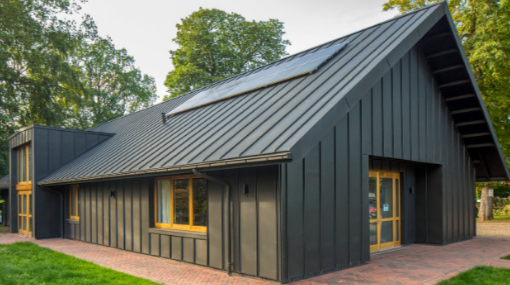
A metal roof is a roofing system made from metal panels or sheets, commonly using materials such as steel, aluminium, or zinc. These roofs may be installed as standing seam systems, corrugated profiles, or modular panels, depending on structural and design requirements.
Unlike traditional roofing materials that rely on mass and thickness for protection, metal roofs rely on material strength, engineered fastening systems, and protective coatings to deliver performance.
Durability: Built for Long-Term Performance
One of the primary reasons for choosing a metal roof is durability. Metal roofing systems are designed to withstand extreme environmental conditions without cracking, warping, or deteriorating in the way many traditional materials do.
In Indian climates, metal roofs perform well because they:
Resist moisture absorption during heavy monsoons
Maintain structural stability under high heat and UV exposure
Withstand wind loads better than many tile-based systems
When correctly installed and maintained, a metal roof can last several decades, often outperforming conventional roofing materials in terms of lifespan and consistency.
Weather Performance in Indian Conditions
India’s weather patterns are highly variable, which places unique stress on roofing systems.
During monsoons, traditional roofs may suffer from water seepage, fungal growth, or material fatigue. A properly designed metal roof uses overlapping panels, secure fastenings, and effective drainage paths to minimise water ingress.
In high-temperature regions, metal roofs reflect a portion of solar radiation, reducing heat absorption. When combined with insulation and ventilated roof assemblies, this can improve indoor thermal comfort and reduce cooling demand.
In coastal and industrial areas, corrosion resistance becomes critical. Modern metal roofing systems use protective coatings and alloys that enhance resistance to salt air, pollution, and chemical exposure.
Return on Investment (ROI): Looking Beyond Upfront Cost
While the initial cost of a metal roof may be higher than some traditional roofing options, ROI should be evaluated over the full lifecycle of the building.
Key factors influencing ROI include:
Longer service life
Reduced maintenance and repair costs
Improved energy efficiency
Lower frequency of roof replacement
Over time, these factors often offset the initial investment, making metal roofs a financially sound choice for buildings intended for long-term use. For commercial and industrial properties, reduced downtime for repairs further strengthens the business case.
Maintenance and Operational Efficiency
Metal roofs generally require less maintenance compared to traditional roofing materials. They do not crack, rot, or support biological growth as easily, reducing the need for frequent repairs.
Routine maintenance typically involves periodic inspections, cleaning of drainage systems, and checking fasteners or sealants. This simplicity makes metal roofs particularly attractive for large buildings where roof access and maintenance can be complex and costly.
Sustainability and Environmental Considerations
Sustainability is becoming a key decision factor in Indian construction. Metal roofs support environmentally responsible building practices in several ways.
Most metal roofing materials are recyclable, and many systems contain recycled content. Their long lifespan reduces construction waste and the environmental impact associated with frequent roof replacement.
Additionally, energy-efficient metal roof systems can contribute to reduced cooling loads, helping buildings lower operational energy consumption over time.
Design Versatility and Modern Architecture
Beyond performance, metal roofs offer significant design flexibility. They can be adapted to a wide range of architectural styles, from industrial and commercial structures to contemporary residential buildings.
Metal panels can be manufactured in various profiles, colours, and finishes, allowing architects to balance functional requirements with aesthetic intent. This adaptability makes metal roofing suitable for both new construction and retrofit projects.
Is a Metal Roof Right for Indian Buildings?
A metal roof is particularly well suited for buildings that prioritise:
Long-term durability
Low maintenance requirements
Reliable performance in challenging climates
Lifecycle cost efficiency
However, success depends on proper specification, quality installation, and integration with insulation and drainage systems. Like any roofing solution, a metal roof performs best when treated as part of a complete building envelope strategy rather than a standalone material choice.
Final Thoughts
As Indian buildings face increasing environmental demands and longer service expectations, roofing systems must deliver more than basic protection. The metal roof has proven itself as a durable, adaptable, and cost-effective solution that meets these evolving requirements.
By offering strong weather resistance, long-term ROI, and sustainable performance, metal roofs continue to gain relevance across residential, commercial, and industrial construction in India. For building owners and professionals focused on long-term value rather than short-term savings, metal roofing represents a forward-looking investment in building performance.


Comments
Post a Comment