Metal Roof Installation Guide: Best Practices, Benefits, and Common Mistakes

Over the years, I’ve worked closely with different roofing systems, and one solution consistently stands out for long-term performance and architectural flexibility: the metal roof. Whether used in residential, commercial, or complex architectural projects, metal roofing systems have proven their value through durability, weather resistance, and clean aesthetics.
In this guide, I want to share practical insights based on experience. I’ll walk through what makes a metal roof a smart choice, how proper installation impacts performance, best practices I always follow, and common mistakes that should be avoided to ensure a reliable and long-lasting roof.
Understanding What Makes a Metal Roof Different
What Is a Metal Roof?
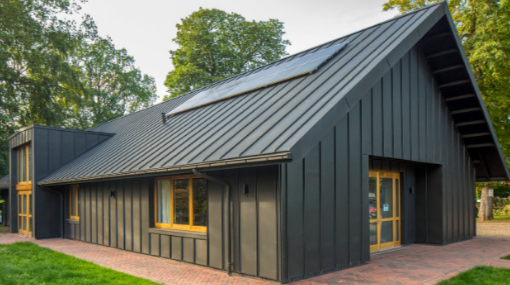
A metal roof is a roofing system made from metal panels or sheets that are mechanically fixed or seamed together to form a continuous protective surface. Unlike traditional roofing materials, metal roofs are designed to handle extreme weather conditions while maintaining structural integrity over decades.
Standing seam metal roofing systems, in particular, are known for their raised seams that lock panels together securely. These seams help prevent water penetration while giving the roof a sleek, modern appearance.
Why Metal Roofs Are Gaining Popularity
From my perspective, the growing preference for metal roofs comes down to a few key advantages:
Exceptional durability and long lifespan
Resistance to wind, rain, and temperature fluctuations
Low maintenance requirements
Clean, contemporary design
Suitability for complex roof shapes and pitches
Metal roofs are also lighter than many traditional roofing materials, which can reduce structural load and increase design flexibility.
Pre-Installation Planning
Every successful metal roof installation starts long before the first panel is installed. Planning is not optional, it is essential.
Roof Structure and Substrate Preparation
Before installing a metal roof, I always assess the roof structure carefully. The substrate must be flat, stable, and securely fixed. Any uneven surface can affect panel alignment and compromise the locking system.
A well-prepared roof deck helps ensure:
Proper panel engagement
Even load distribution
Long-term structural stability
Skipping this step often leads to noise issues, panel movement, or water ingress later on.
Underlayment and Moisture Control
Underlayment plays a critical role in metal roofing systems. It acts as a secondary moisture barrier and helps manage condensation that can form beneath metal panels.
Choosing the correct underlayment and installing it properly protects the roof deck and supports the overall performance of the metal roof.
Best Practices for Metal Roof Installation
Accurate Panel Layout and Alignment
One principle I always follow is precision. Metal roof panels must be laid out with exact spacing and alignment. This ensures that seams lock correctly and the roof maintains its intended appearance.
Before installation, I confirm:
Panel dimensions and layout
Seam alignment points
Roof slope and drainage direction
Once installation begins, regular checks help maintain consistency across the roof surface.
Allowing for Thermal Movement
Metal expands and contracts with temperature changes. Ignoring this natural behavior is one of the most common causes of metal roof failure.
To prevent buckling or distortion, I always:
Use fixing methods that allow controlled movement
Avoid over-tightening fasteners
Follow recommended expansion allowances
When installed correctly, a metal roof can adapt to temperature changes without compromising performance.
Ventilation and Roof Details
Ventilation is often overlooked but plays a major role in roof longevity. Proper airflow helps regulate internal temperatures and reduces moisture buildup.
Attention to roof details is equally important. Areas such as ridges, eaves, skylights, and penetrations must be sealed and detailed carefully to maintain weather resistance and structural integrity.
Common Metal Roof Installation Mistakes
Even high-quality materials can fail if installed incorrectly. Over time, I’ve seen a few recurring mistakes that are easy to avoid with the right approach.
Poor Installation Sequencing
Installing panels out of sequence can disrupt seam alignment and create weak points. Metal roofing systems are designed to be installed in a specific order, and deviating from it can affect performance.
Incorrect Fixings and Fasteners
Using incompatible fasteners or fixing panels too rigidly can lead to corrosion or restricted movement. Fasteners should always be suited to the roofing system and installed according to specifications.
Neglecting Drainage Planning
A metal roof must shed water efficiently. Inadequate slope, blocked drainage paths, or poorly designed details can lead to water pooling and long-term damage.
Conclusion
A metal roof is more than just a protective layer; it's a long-term investment in performance, durability, and architectural quality. When planned and installed correctly, a metal roof can outlast many traditional roofing systems while maintaining its appearance and structural reliability.
From my experience, the key to success lies in understanding how metal behaves, preparing the roof structure properly, and following proven installation practices. Avoiding common mistakes and paying attention to detail ensures the roof performs as intended for decades.
Whether you’re planning a new build or upgrading an existing structure, choosing a metal roof and installing it with care delivers both functional and aesthetic benefits that stand the test of time.


Comments
Post a Comment